

Overview & Significance
-
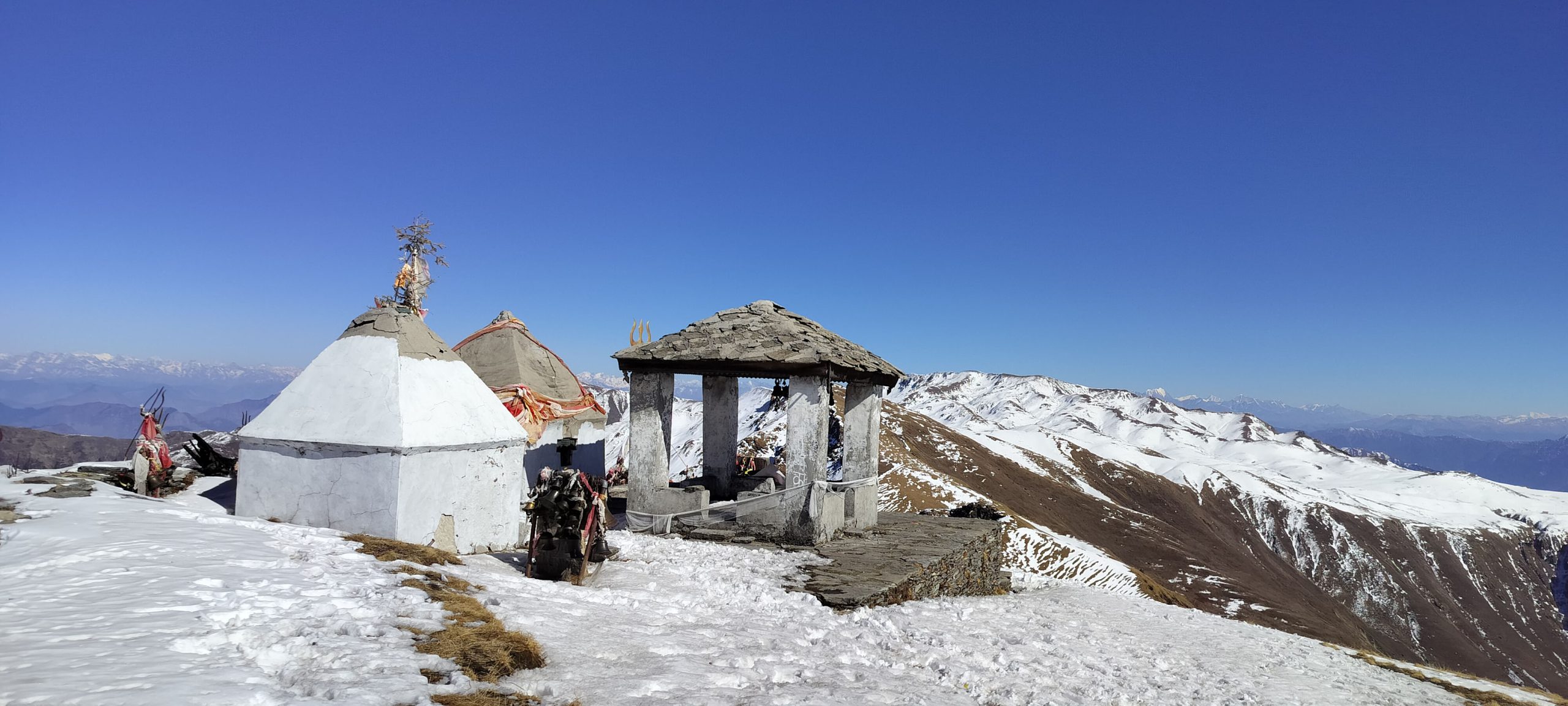
Badimalika Temple is a Hindu temple dedicated to Bhagwati (a form of the Goddess, Shakti).
-
According to mythology, this is one of the Shakti Peethas. The belief goes: when Sati Devi sacrificed herself, parts of her body fell in various places. At Mallagiri (in Bajura), it is said the left knee or left part (leg) of Sati fell, and that spot became sacred as Malika. The major festival here is Malika Chaturdashi. Other important observances are Ganga Dussehra and Janai Purnima. The temple is very high — around 4,200 metres above sea level.
Reconstruction & Architecture
-
In 2025, the Nepali Army completed reconstruction of the temple.
-
The reconstruction preserved the traditional appearance, using traditional materials. The design and technical support came from the Department of Archaeology, under the Ancient Monuments Preservation Act.
-
There were multiple design proposals (Shikhar style, etc.), but due to terrain & space constraints, the final design was “Nepali style temple.”
Getting There & Trekking
-
The temple is in a remote, high-altitude, rugged region. Getting there involves trekking of 2–3 days from Martadi (Bajura headquarters) or via other routes.
Some of the common access routes:
| Route | Details |
|---|---|
| FromBanka Bazaar (Budhiganga Municipality) → follow either the More-Kailashmandu route or Maur Chhatara route towards Triveni Municipality. The Maur-Kailashmandu route (via Nateshwori temple path) is considered one of the shorter/better ones. | |
| From Martadi (Bajura district HQ) trekking directly; this is more remote. | |
| From Kalikot (via Raskot village / Sanni Triveni Rural Municipality) is another option. | |
| By road/flight as far as possible: there are flights to Bajura airport, etc., but the final legs are on foot or by local transport. |
-
There are very limited facilities on the trail — no fixed lodges or hotels near the temple. Pilgrims / trekkers often carry own food, shelter, gear.
Best Time to Visit & Conditions
-
Best seasons are Spring (around March-May) and Autumn (October-December) because weather is more stable; views are clearer.
-
Outside those times the weather can be harsh (snow, storms, cold) especially given the high elevation.


