
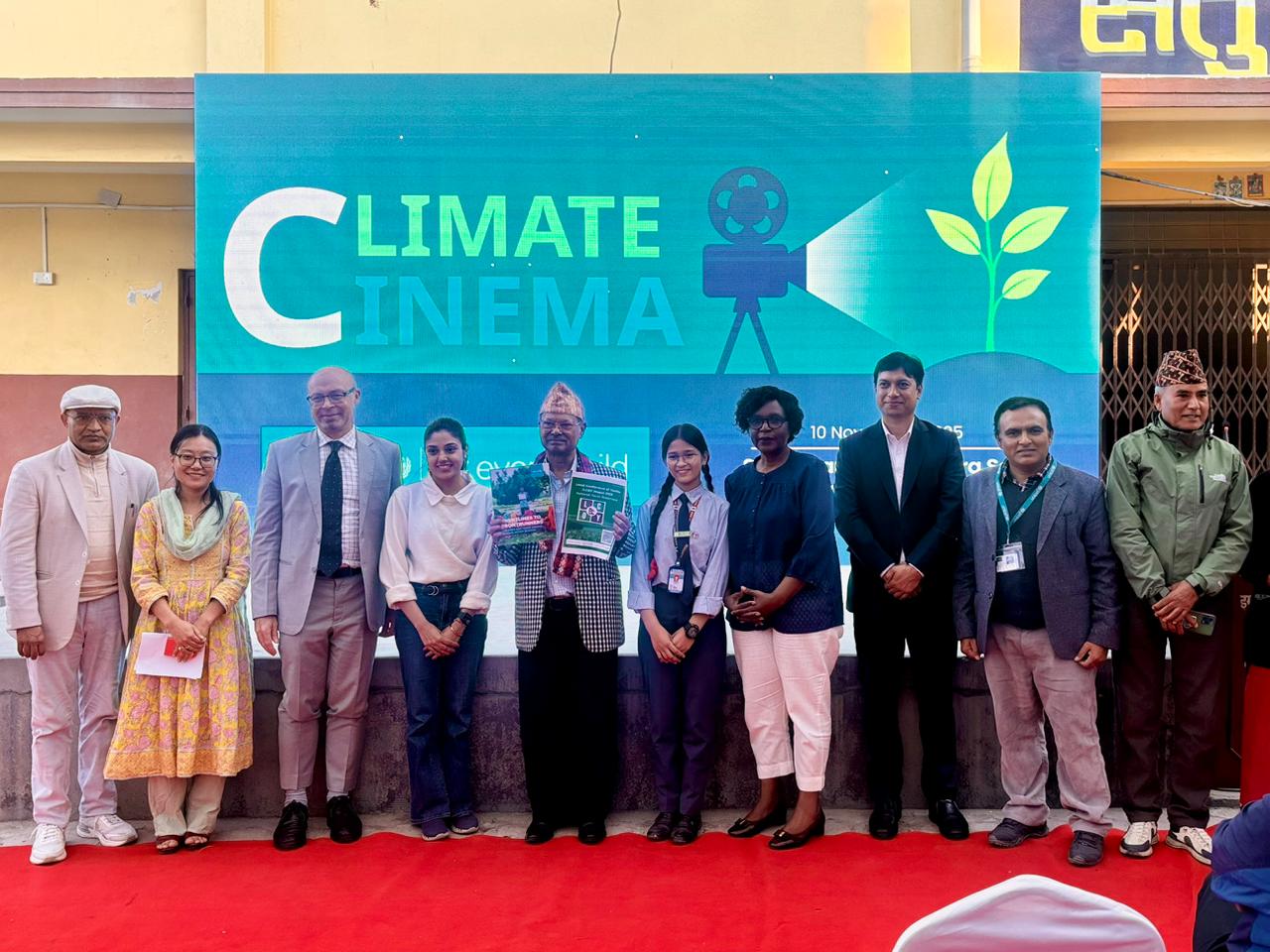
Kathmandu. UNICEF’s nationwide campaign “Climate Cinema: Children on the Frontlines of Climate Action” concluded in Kathmandu on Sunday with a powerful message: children’s voices must shape climate solutions from communities to global platforms like COP30.
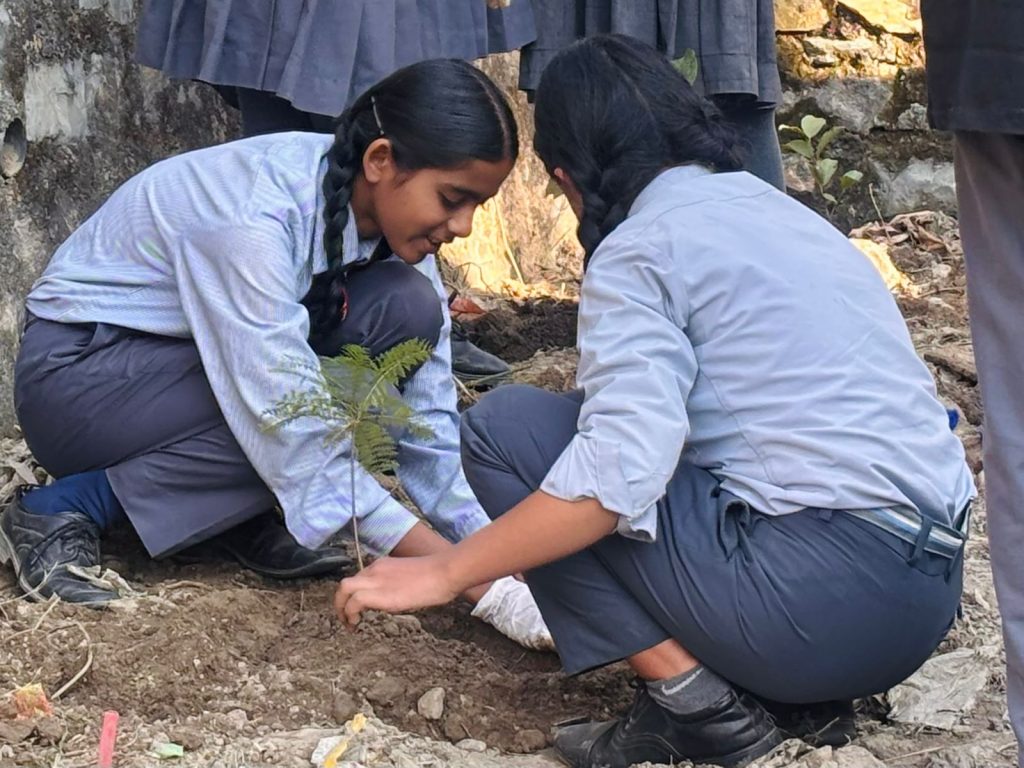
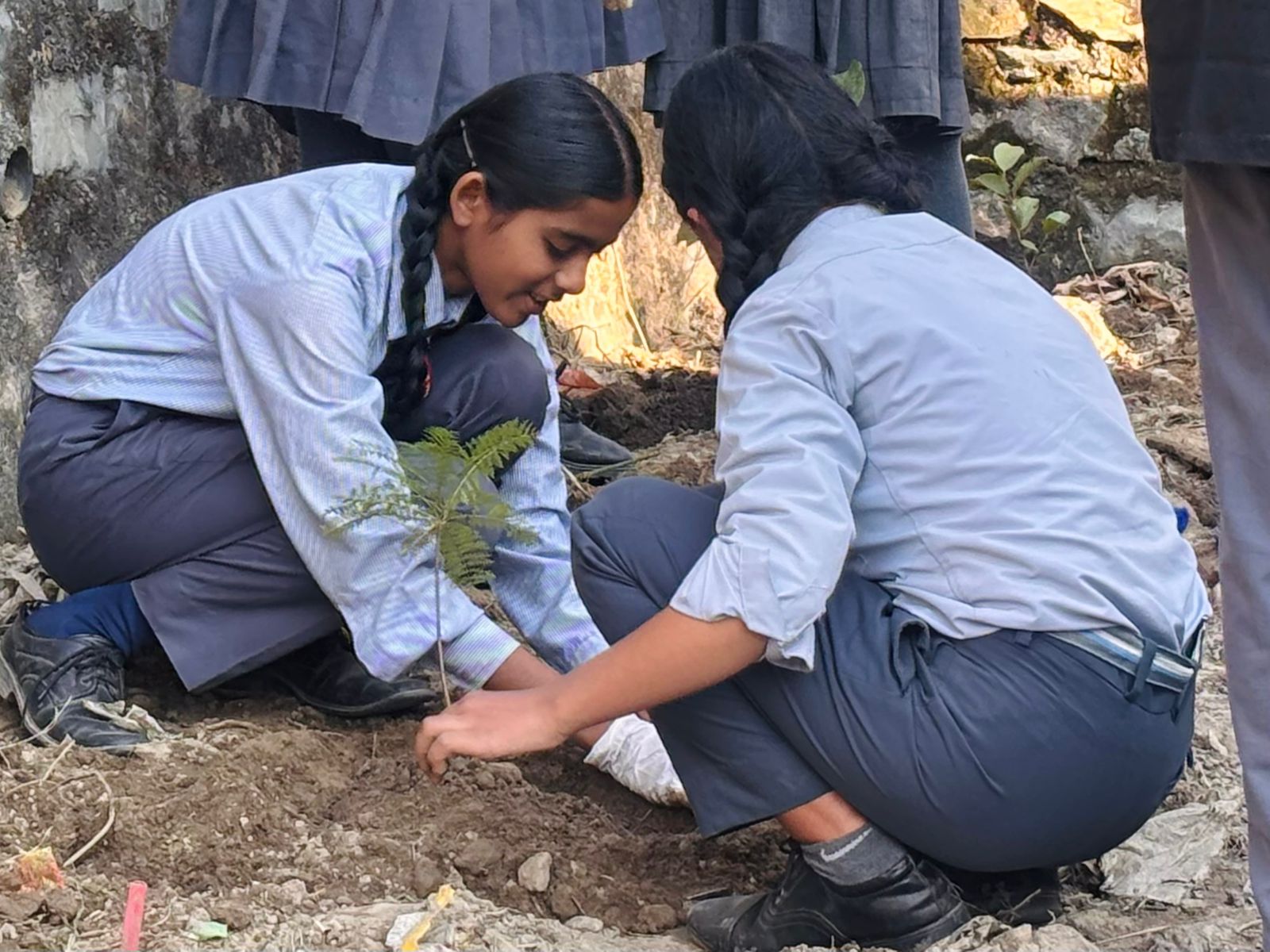
Over the past two weeks, the Climate Cinema caravan travelled across Nepal from Dhangadhi in Sudurpaschim, Panchapuri in Karnali, Siddharthanagar in Lumbini and Parsa in Madhesh before culminating in the capital. Through film screenings, panel discussions and child-led climate actions, the campaign amplified stories of young Nepalis confronting climate impacts such as floods, droughts and landslides.
“Children are not just victims of climate change we have ideas and solutions,” said Jayanti Bam, 15, an eco-club president from Kalikot, featured in the campaign. “We are ready to be part of the change. We want decision-makers to listen to us and protect our future.”
Jayanti shared how extreme rainfall shut her school for nearly a week an event her community had never experienced before showing how the climate crisis is robbing children of their right to education.
Nepal to Take Children’s Climate Voices to COP30
Hon’ble Minister for Agriculture and Livestock Development, Dr. Madan Prasad Pariyar, who will lead Nepal’s delegation to COP30, attended the closing event and received:
- A special report featuring children and youth’s climate recommendations from across Nepal
- The National Youth Statement, developed by more than 500 children and youth during LCOY Nepal 2025
The Minister pledged to take these voices to the global climate stage.
“Nepal’s NDC 3.0 is among the world’s most child- and youth-focused climate plans,” he said. “As we prepare for COP30, Nepal stands ready to show how we can partner with our young people to drive transformative climate action. Young climate champions are the true heroes.”
UNICEF: “Climate Change Is a Child Rights Crisis”
UNICEF Nepal Representative Alice Akunga stressed that climate change is already harming children’s health, learning, and wellbeing across Nepal.
“Climate change is not only an environmental issue; it is a child rights crisis,” she said. “Children are among the most affected but also among the most powerful agents of change.”
UNICEF reaffirmed support to strengthen climate-resilient schools, health services and water systems so they can withstand climate shocks.
A Growing Movement Led by Children & Youth
The Climate Cinema initiative, supported by government bodies at all levels, schools and youth-led networks, underlined a growing movement: children’s experiences and solutions must influence climate policies locally, nationally, and globally.
More Information
📎 Report: Frontlines to Frontrunners: Children and Youth Driving Climate Action in Nepal
Download: https://www.unicef.org/nepal/reports/frontlines-frontrunners


